
The ICCD Campaign
This complex project is the result of an encounter with a visionary public official, Arch. Carlo Birrozzi – former director of the ICCD and Superintendent for the Architectural Heritage of Molise, Bari, and the Marche – and with photographer and researcher Dr. Alessandro Coco. Our collaboration demonstrates that a constructive dialogue on these issues with institutions is possible, but we are working to fulfill our association’s mandate. This will only happen when similar initiatives move beyond being unique cases, and the systematic protection of Heritage and of the communities that endure in the Apennines becomes a priority for the entire nation. Now that the climate, economic, and geopolitical crises are making our economies and our territories even more fragile, we are aware that we no longer have much time left.
Seismic Sequence
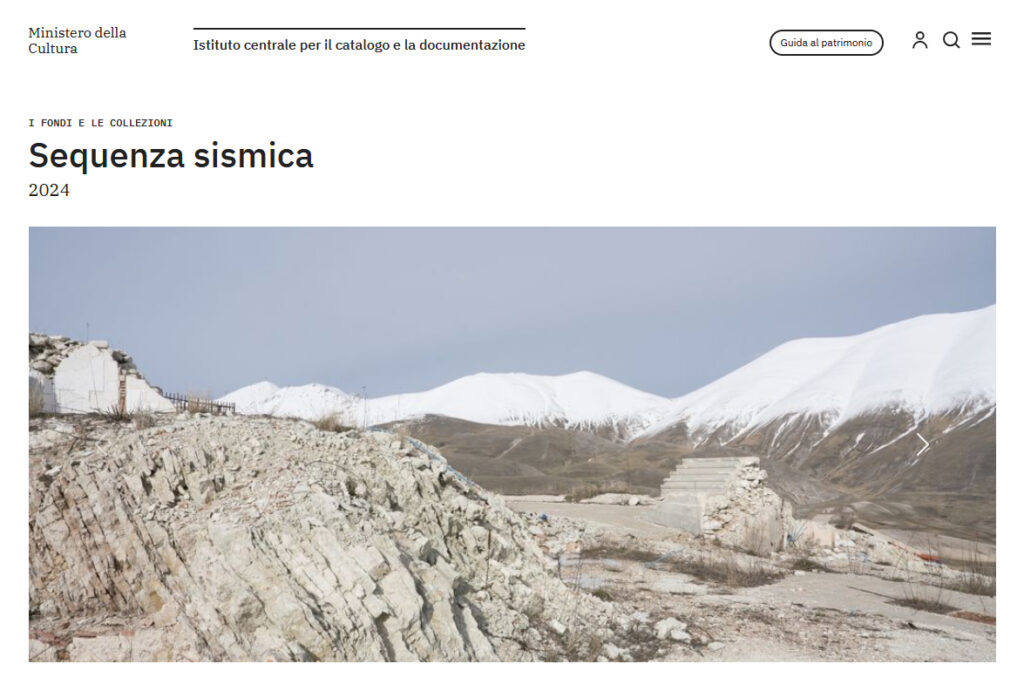
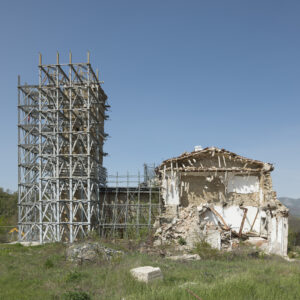
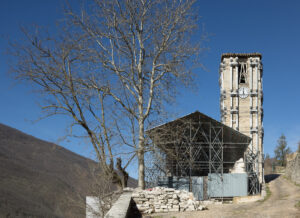
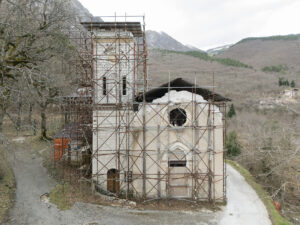
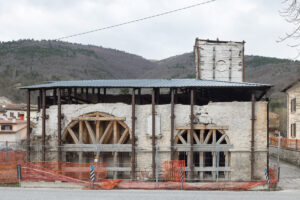
The campaign carried out on commission for the Central Institute for Cataloguing and Documentation (ICCD) takes its title from the designation that the INGV itself gave to the 2016-17 seismic events: “Seismic Sequence Amatrice-Norcia-Visso”.
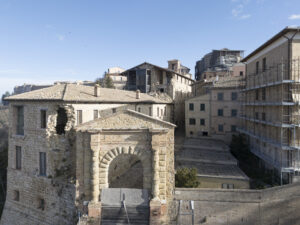
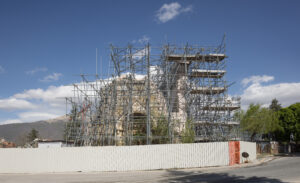
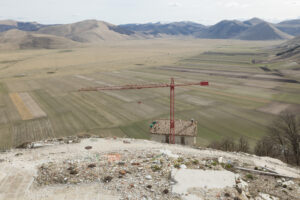
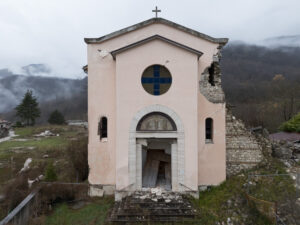
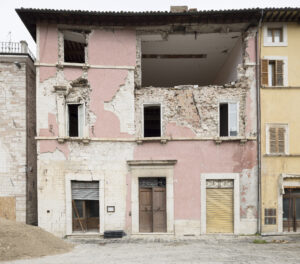
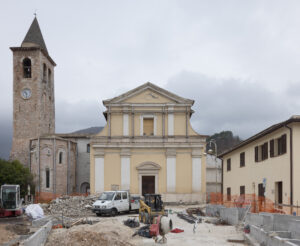
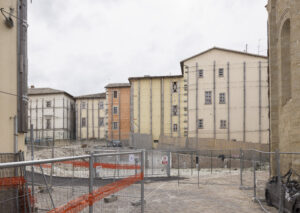
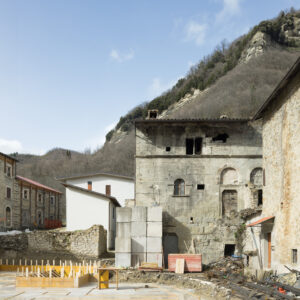
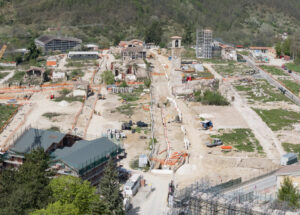
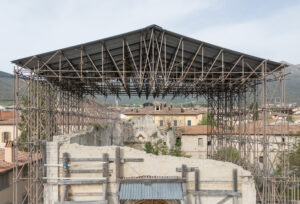
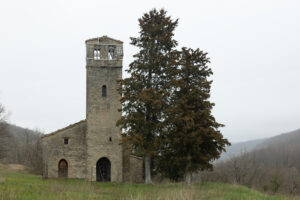
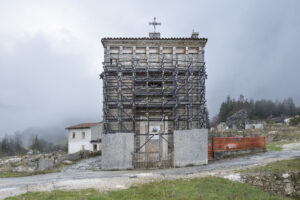
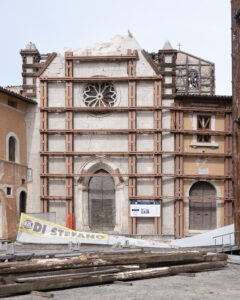
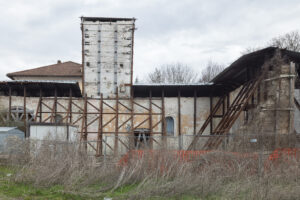
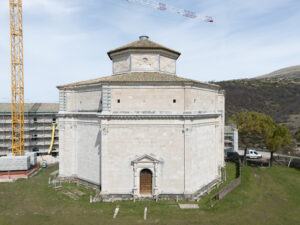
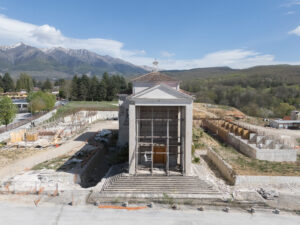
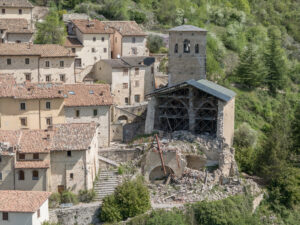
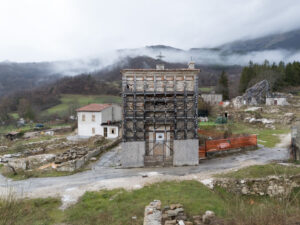
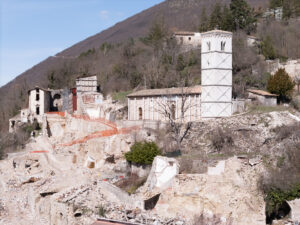
Between December 2023 and May 2024, we worked in three geographical areas – Valle del Chienti, Valle del Nera, Valle del Tronto – centred on Monte Vettore (AP). PIC investigated the state of conservation of the inhabited centres of Arquata del Tronto, Montegallo, Montemonaco, Castelsantangelo sul Nera, Visso, Ussita, Camerino, Pievetorina, Norcia, Castelluccio di Norcia, Campi Grisciano, Accumoli, Amatrice, and some of their hamlets.
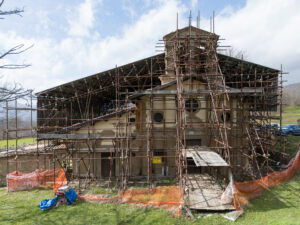
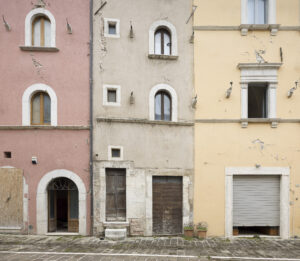
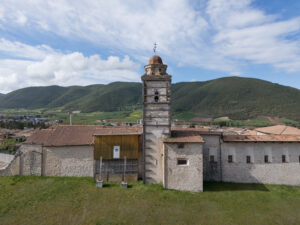
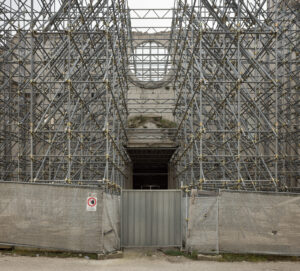
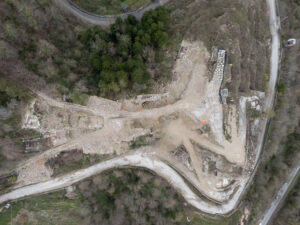
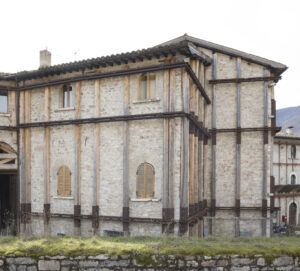
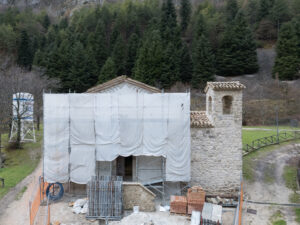
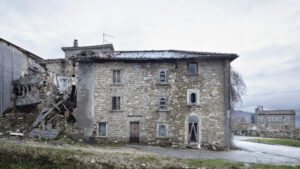
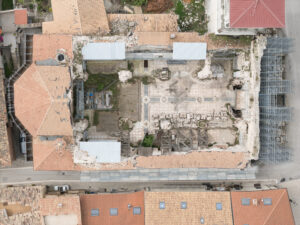
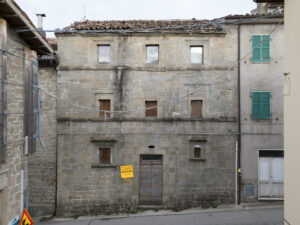
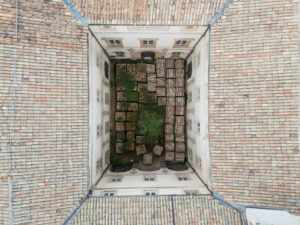
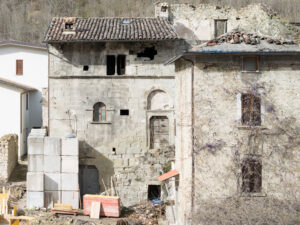
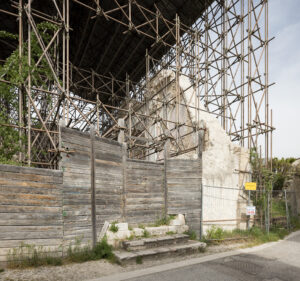
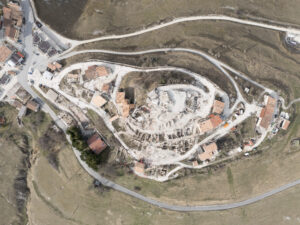
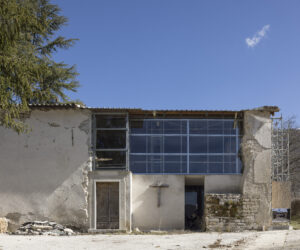
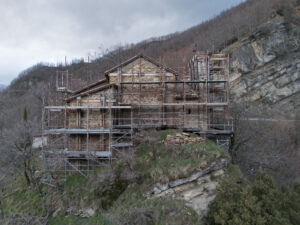
For each site, following topographic lines, aerial footage was taken of the red zones and their territorial context, followed by ground-level shots from various viewpoints of the most significant individual structures. Everything was duly geolocated, in preparation for the subsequent metadata tagging work (conforming to the Institute’s protocols) carried out after post-production.
This investigation is unique for PIC compared to its usual focus – which is concentrated on preventive documentation against disasters – but by contrast, it powerfully validates with its full dramatic evidence the urgency of an organic and preparatory intervention necessary for any planning and safety measures for this immense portion of the country.
Every Now and Then This Country Hurts Me Again
Silvia Sorana is from Visso (MC), one of the centres in the upper Nera river valley most affected by the seismic sequence. It is home to the Monti Sibillini National Park. Even today, its historic centre is an immense red zone, inaccessible. Sorana, who is a publisher and bookseller in Matelica (MC), browsed through:
“Seismic Sequence” starting from the search for images of the place where she was born: “I scroll through the 246 images of a town I myself struggle to recognize. Entire rows of homes and buildings have been demolished. A distressing archaeology in search of some sign to make me feel I can still recognize everything at first glance. With some images, I struggle immensely. Where was here, and here, and here? I wonder. Is this bewilderment perhaps the sign of my own betrayal? Of definitive loss, of me becoming a stranger to my house, my square, my alleys? I close my eyes for a moment (and yes, how many moments) and I can feel the damp cold of every alley I raced through countless times at full speed, goosebumps from the cold, even in August. I can clearly smell the damp cellars, the curing salami, the cheese.”
Read the article on L’Altramontagna
Help Us Spread the Project
If you would like to support us by organizing a presentation of Seismic Sequence and our initiative, contact us.
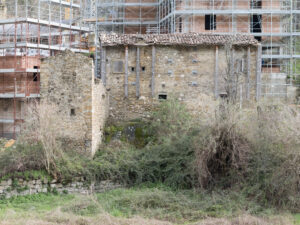
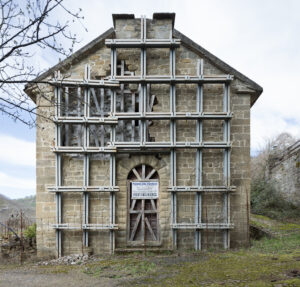
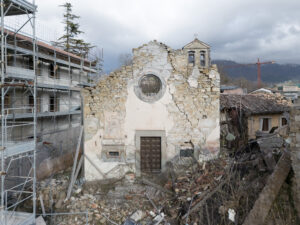
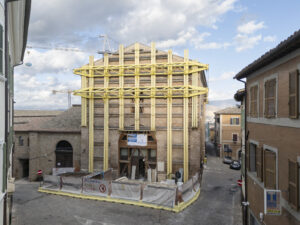
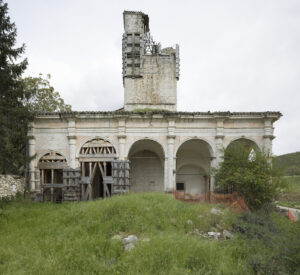
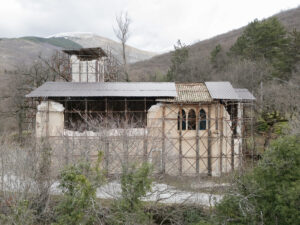
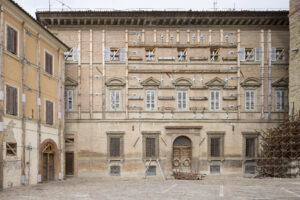
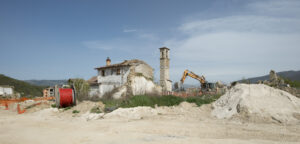
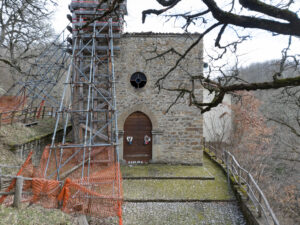
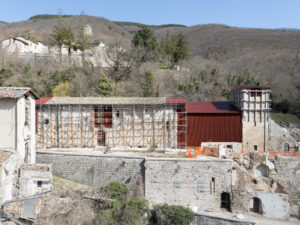
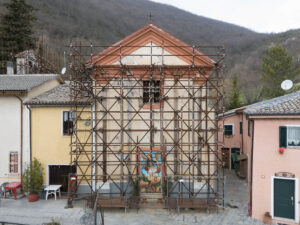
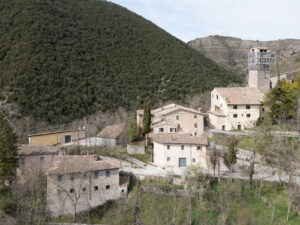
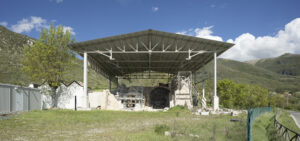
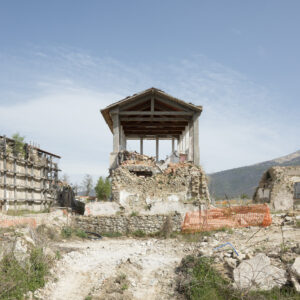
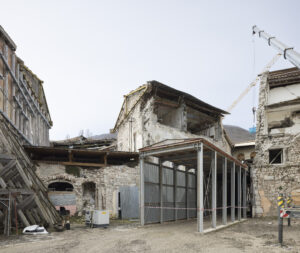
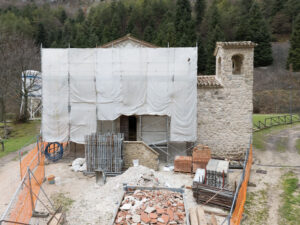
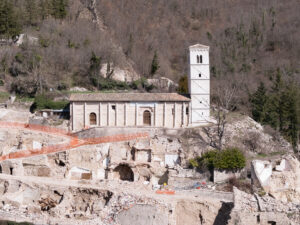
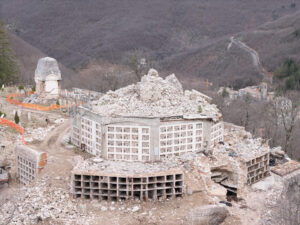
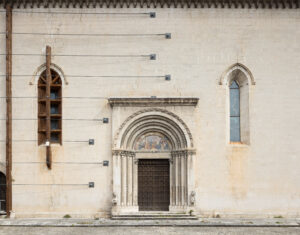
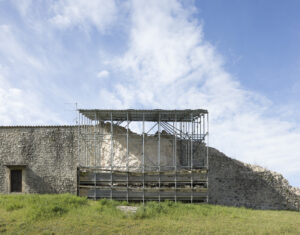
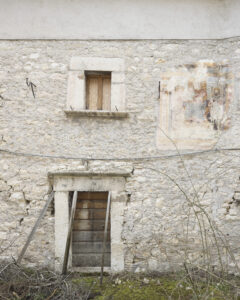
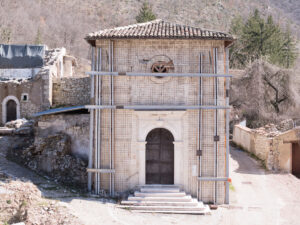
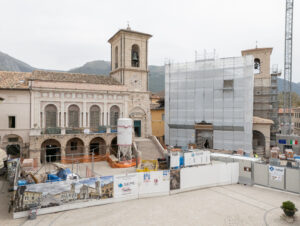
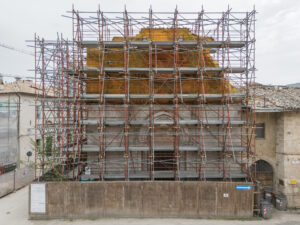
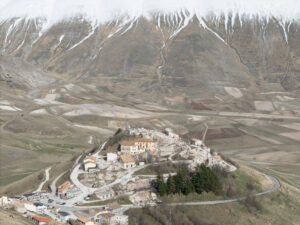
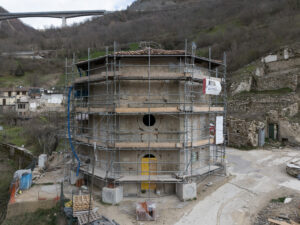
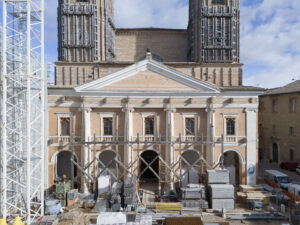
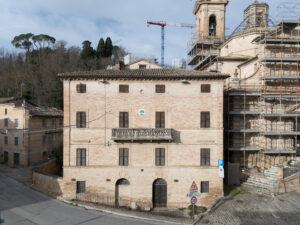
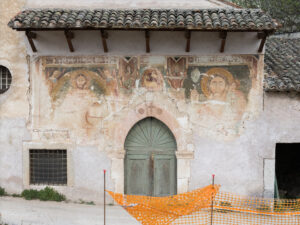
A sample of the campaign:
____